幼儿教育
马来西亚的幼儿教育普及度高,愈发受到家长重视。许多家庭会尽早送孩子就读托儿所与幼儿园,为升入小学打下扎实基础。
私立幼儿园普遍采用国际认可的教学体系,包括国际学前课程、蒙台梭利、瑞吉欧以及华德福教学模式,为幼儿提供多元化、全方位的学习体验。



英国纽卡斯尔大学
英国南安普顿大学
英国雷丁大学
英国赫瑞瓦特大学
澳大利亚莫纳什大学
澳大利亚科廷大学
澳大利亚斯威本科技大学
新加坡莱佛士大学
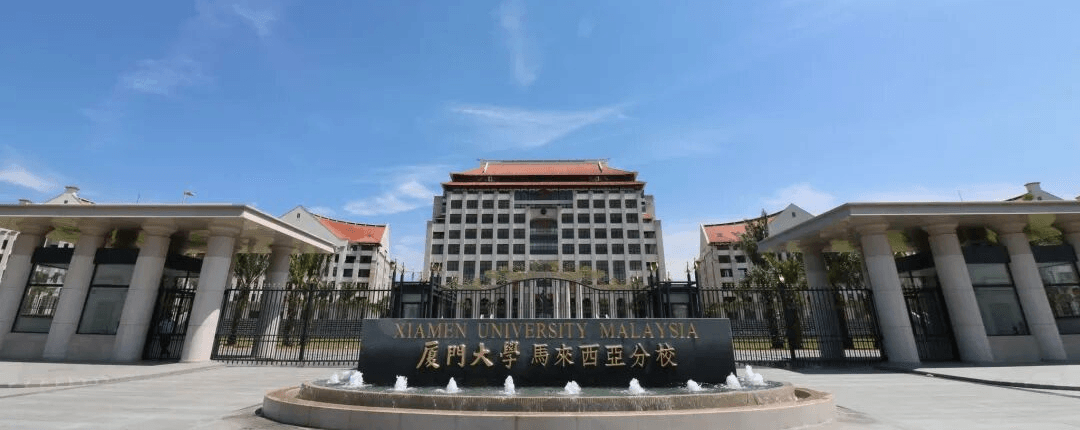
中国厦门大学
中国上海交通大学
There are several key differences between international schools and private primary/secondary schools in Malaysia:
With its well-structured education system, reasonable tuition fees, high-quality teaching, and multicultural environment, Malaysia continues to strengthen its position as a leading education hub in Southeast Asia—attracting an increasing number of students from around the world.
 https://mm2h.iitcsoft.com/wp-content/uploads/2026/04/word-image-695-3.jpeg
576
1024
allseasons
https://mm2h.iitcsoft.com/wp-content/uploads/2026/04/logo_m.png
allseasons2026-04-21 13:05:302026-04-21 13:05:31新山
https://mm2h.iitcsoft.com/wp-content/uploads/2026/04/word-image-695-3.jpeg
576
1024
allseasons
https://mm2h.iitcsoft.com/wp-content/uploads/2026/04/logo_m.png
allseasons2026-04-21 13:05:302026-04-21 13:05:31新山 https://mm2h.iitcsoft.com/wp-content/uploads/2026/04/word-image-686-4.jpeg
721
1080
allseasons
https://mm2h.iitcsoft.com/wp-content/uploads/2026/04/logo_m.png
allseasons2026-04-21 13:04:512026-04-21 13:04:51槟城
https://mm2h.iitcsoft.com/wp-content/uploads/2026/04/word-image-686-4.jpeg
721
1080
allseasons
https://mm2h.iitcsoft.com/wp-content/uploads/2026/04/logo_m.png
allseasons2026-04-21 13:04:512026-04-21 13:04:51槟城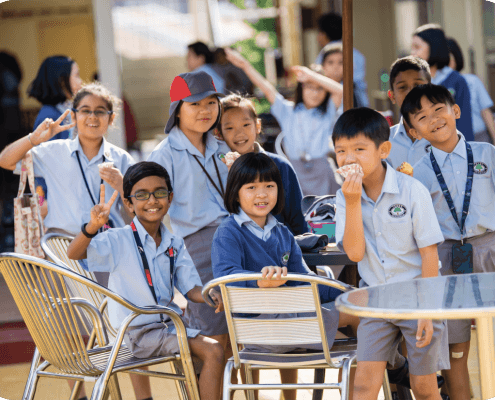 https://mm2h.iitcsoft.com/wp-content/uploads/2026/04/word-image-680-1.png
826
1080
allseasons
https://mm2h.iitcsoft.com/wp-content/uploads/2026/04/logo_m.png
allseasons2026-04-21 13:04:152026-04-21 13:04:15怡保
https://mm2h.iitcsoft.com/wp-content/uploads/2026/04/word-image-680-1.png
826
1080
allseasons
https://mm2h.iitcsoft.com/wp-content/uploads/2026/04/logo_m.png
allseasons2026-04-21 13:04:152026-04-21 13:04:15怡保 https://mm2h.iitcsoft.com/wp-content/uploads/2026/04/1-1.png
720
1080
allseasons
https://mm2h.iitcsoft.com/wp-content/uploads/2026/04/logo_m.png
allseasons2026-04-21 13:03:252026-04-21 13:03:25吉隆坡
https://mm2h.iitcsoft.com/wp-content/uploads/2026/04/1-1.png
720
1080
allseasons
https://mm2h.iitcsoft.com/wp-content/uploads/2026/04/logo_m.png
allseasons2026-04-21 13:03:252026-04-21 13:03:25吉隆坡